
When you’re dealing with knee pain and need an MRI, understanding Medicare’s coverage rules could save you hundreds of dollars. But there’s a key requirement many beneficiaries don’t know about that determines whether you’ll pay 20% or potentially much more.
Key Takeaways
- Medicare generally covers knee MRIs when deemed medically necessary, with coverage varying by Medicare part and setting
- Original Medicare Part B covers 80% of outpatient knee MRI costs after meeting the annual deductible of $257 in 2025
- Hospital inpatient knee MRIs are fully covered under Part A for the first 60 days after meeting the $1,676 deductible
- Prior authorization is typically not required for MRIs under Original Medicare, though requirements may vary with Medicare Advantage plans
- Medigap insurance can significantly reduce out-of-pocket expenses for Medicare-covered knee MRI procedures
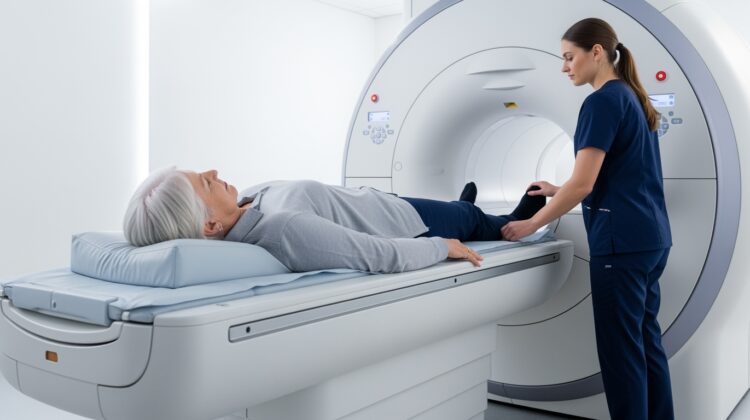
When knee pain strikes, getting an accurate diagnosis often requires magnetic resonance imaging (MRI) technology. This powerful diagnostic tool provides detailed images of soft tissues, cartilage, and bones that help doctors identify torn ligaments, meniscus damage, arthritis progression, and other knee conditions requiring treatment.
Medicare Covers Most Knee MRIs When Medically Necessary
Medicare provides coverage for knee MRIs when specific criteria are met. The scan must be ordered by a Medicare-accepting physician who determines the procedure is medically necessary for diagnosing or treating a health condition. Simply wanting peace of mind or routine screening without symptoms typically won’t qualify for coverage.
The imaging facility performing the knee MRI must also accept Medicare assignment and be properly certified. Most hospitals, outpatient imaging centers, and specialized radiology clinics meet these requirements. Medicare.org provides detailed resources for understanding coverage requirements and finding qualified providers in specific areas.
Medical necessity includes various scenarios such as acute knee injuries, persistent pain limiting mobility, suspected structural damage, or monitoring treatment progress for existing conditions. Documentation from the ordering physician explaining symptoms and clinical reasoning supports coverage approval.
What Medicare Parts Cover Your Knee MRI
1. Medicare Part B Coverage for Outpatient MRIs
Original Medicare Part B handles most knee MRI situations since these scans typically occur in outpatient settings. After meeting the annual Part B deductible of $257 in 2025, beneficiaries pay 20% of the Medicare-approved amount while Medicare covers the remaining 80%.
The typical out-of-pocket cost for an outpatient knee MRI varies significantly based on facility type and location. Hospital outpatient departments generally cost more than freestanding imaging centers or ambulatory surgical centers. Geographic location also influences pricing variations across different regions, with costs potentially ranging from modest amounts to several hundred dollars depending on the specific circumstances and Medicare-approved rates.
2. Medicare Part A Coverage During Hospital Stays
When knee MRIs occur during inpatient hospital stays, Medicare Part A provides full coverage for the first 60 days after meeting the Part A deductible of $1,676 in 2025. This scenario might arise during emergency room visits for acute knee injuries or as part of treatment for complex conditions.
Part A coverage eliminates separate charges for the MRI procedure itself, incorporating imaging costs into the overall hospitalization expenses. This arrangement often proves more cost-effective for patients requiring multiple diagnostic tests or extended treatment protocols.
3. Medicare Advantage Plan Variations
Medicare Advantage (Part C) plans must provide at least the same coverage as Original Medicare but often feature different cost-sharing structures. Some plans use copayments instead of coinsurance, potentially offering more predictable out-of-pocket expenses for knee MRIs.
Many Medicare Advantage plans, including SNPs, include additional benefits that support knee health, such as wellness programs, physical therapy coverage, or access to specialized orthopedic networks. These enhanced benefits can provide coordinated care for patients managing chronic knee conditions.
Your Out-of-Pocket Costs Breakdown
Original Medicare Cost Sharing
Under Original Medicare, the standard cost structure requires meeting the Part B deductible before coverage begins. Once satisfied, beneficiaries typically pay 20% coinsurance for outpatient knee MRIs. The total out-of-pocket amount depends on the facility’s Medicare-approved rate and any additional charges.
Hospital outpatient departments may impose separate facility fees beyond the imaging procedure cost. These additional charges can increase total expenses, making freestanding imaging centers potentially more economical options for routine knee MRI scans.
How Medigap Plans Reduce Your Expenses
Medigap supplemental insurance policies help cover Original Medicare’s deductibles, copayments, and coinsurance requirements. Plans C and F historically provided the most coverage, though they’re no longer available to new Medicare beneficiaries as of 2020. Current options like Plan G cover the Part B coinsurance and copayments after meeting the deductible, while Plan N offers similar benefits with small copayments for certain services.
Current Medigap options like Plan G cover the Part B coinsurance and copayments after meeting the deductible, potentially reducing knee MRI out-of-pocket costs to zero. Plan N offers similar benefits with small copayments for certain services, providing substantial savings compared to Original Medicare alone.
Requirements for Medicare Coverage
Medical Necessity Criteria
Medicare’s medical necessity standards require clear clinical justification for knee MRI orders. Acceptable reasons include traumatic injuries, persistent pain lasting several weeks, suspected structural abnormalities, or monitoring treatment effectiveness for existing conditions like arthritis or previous surgical repairs.
Documentation supporting medical necessity should include symptom descriptions, physical examination findings, failed conservative treatments, and specific diagnostic questions the MRI aims to answer. Thorough medical records strengthen coverage approval and reduce claim denial risks.
Medicare-Approved Providers and Facilities
Both the ordering physician and imaging facility must accept Medicare assignment for coverage to apply. Medicare-participating providers agree to accept Medicare’s approved amounts as full payment, limiting patient financial responsibility to applicable deductibles and coinsurance.
Non-participating providers can charge up to 15% above Medicare’s approved amounts, increasing out-of-pocket expenses. Verifying provider participation status before scheduling knee MRI appointments helps avoid unexpected billing surprises and ensures maximum coverage benefits.
Prior Authorization and Access Considerations
Original Medicare typically doesn’t require prior authorization for knee MRIs, allowing relatively quick access when medically necessary. However, some Medicare Advantage plans implement prior authorization requirements to manage utilization and costs.
Recent CMS reforms in 2023 aimed to streamline prior authorization processes for Medicare Advantage plans, reducing care delays and ensuring timely access to medically necessary services. However, prior authorization requirements can still vary significantly among Medicare Advantage plans, so patients should check with their specific plan for details. These changes help balance cost management with patient care needs, though individual plan requirements may still vary.
Patients should contact their specific Medicare plan to confirm prior authorization requirements and understand any potential delays in scheduling. Early verification prevents treatment postponements and ensures smooth access to needed diagnostic imaging services.
Get Your Knee MRI Covered With Proper Planning
Maximizing Medicare coverage for knee MRIs requires understanding plan-specific requirements and choosing appropriate providers. Confirming medical necessity with the ordering physician, verifying facility participation status, and understanding cost-sharing obligations help ensure smooth coverage approval.
Patients experiencing knee pain should discuss symptoms thoroughly with their healthcare providers to establish clear medical justification for MRI imaging. Thorough documentation and proper provider selection maximize coverage benefits while minimizing unexpected expenses.
Page content independently curated and maintained by David W. Bynon, Medicare Technical Operator, using a standardized, data-driven methodology designed for accurate, non-commercial Medicare plan interpretation and resolution.