
Medicare covers Hoyer lifts as durable medical equipment under specific conditions, but beneficiaries must navigate important limits. Recent updates confirm that coverage remains consistent, yet costs and eligibility criteria are crucial to understand.
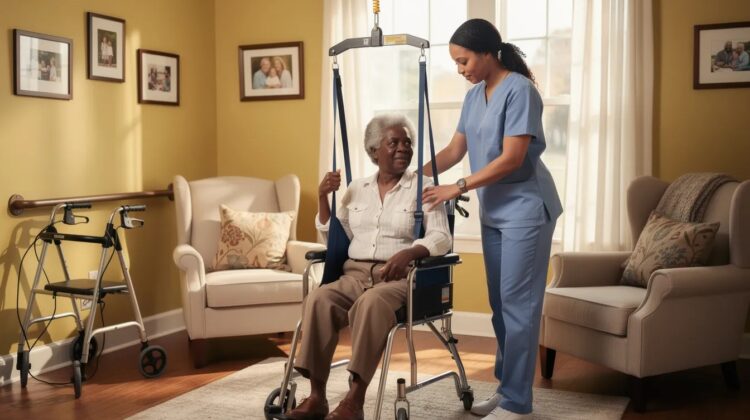
Understanding Medicare’s coverage for Hoyer lifts is essential for seniors who require assistance with mobility. While Medicare Part B provides coverage for these lifts under certain conditions, the rules are stricter than many expect, and navigating the process can be challenging. This article will clarify the coverage details, costs, and eligibility requirements to help beneficiaries make informed decisions about their mobility needs.
Key Takeaways
- Medicare Part B may cover manual full-body or stand-assist Hoyer lifts when prescribed by a healthcare provider.
- Beneficiaries are responsible for 20% of the approved cost after the Part B deductible of $257 in 2025.
- Electric patient lifts are not covered under Medicare’s durable medical equipment benefits.
- A face-to-face visit with a doctor is required to qualify for coverage of a Hoyer lift.
- Medicare typically pays 80% of the approved amount for rental or purchase of a patient lift when criteria are met.
Related questions people ask
- Does Medicare cover a Hoyer lift?
- Does Medicare cover electric Hoyer lifts?
- Does Medicare pay for a Hoyer lift?
- How to get a Hoyer lift through Medicare?
- What is the cost of a Hoyer lift?
- Is a Hoyer lift covered by Medicaid?
- Is a Hoyer lift covered by Medicare?
- Are patient lifts covered by Medicare?
- Can I rent a Hoyer lift through Medicare?
- What are the alternatives to a Hoyer lift?
- What are the restrictions for getting a Hoyer lift through Medicare?
- What is the eligibility for Medicare coverage of a Hoyer lift?
Understanding Medicare Coverage for Hoyer Lifts
Medicare’s Definition of Durable Medical Equipment
Medicare recognizes Hoyer lifts as durable medical equipment (DME) when they are prescribed by a healthcare provider. This classification allows beneficiaries to access coverage under Medicare Part B, which includes manual full-body or stand-assist lifts.
Coverage Details for Patient Lifts
Under Medicare Part B, beneficiaries may receive coverage for either the rental or purchase of a patient lift. Typically, Medicare pays 80% of the approved cost for these lifts after the beneficiary has met their deductible.
Supplier Requirements for Coverage
To qualify for coverage, the lift must be obtained from a supplier that accepts Medicare assignment. This ensures that the full-body hydraulic lifts are covered when deemed medically necessary.
Cost Implications for Beneficiaries
Understanding Your Financial Responsibility
Beneficiaries are responsible for 20% of the approved cost of the patient lift, which can add up depending on the total price. In 2025, the Part B annual deductible is set at $257, which must be paid before any coverage begins.
Pricing for Hoyer Lifts
The cost of a new manual hydraulic lift typically ranges between $730.00 and $980.00, depending on the model and supplier. However, Hoyer lifts can vary significantly in price, ranging from a few hundred to several thousand dollars.
Rental and Purchase Options
If a lift is rented, Medicare will continue to make three additional rental-equivalent payments before ownership is transferred to the beneficiary after 13 months. Once purchased, Medicare also covers 80% of approved maintenance expenses when using a supplier that accepts Medicare assignment.
Key Exceptions to Medicare Coverage
Limitations on Electric Lifts
It’s important to note that Medicare does not cover electric patient lifts as part of its DME benefits. Only manual full-body or stand-assist lifts qualify for partial coverage under Medicare.
Criteria for Medical Necessity
Medicare coverage is strictly limited to equipment that is considered medically necessary. Therefore, if a lift is deemed to be used primarily for convenience rather than medical necessity, it will not be covered.
Eligibility Requirements for Coverage
Enrollment and Prescription Necessities
To receive coverage for a patient lift, beneficiaries must be enrolled in Medicare Part B. Additionally, a healthcare provider must write a prescription specifically for the patient lift to qualify for coverage.
Criteria for Medical Necessity
Beneficiaries must demonstrate a need for assistance from two or more people to transfer without the lift. A face-to-face visit with a doctor is also required to establish this medical necessity.
Recent Updates on Medicare Coverage
Current Deductible Information
As of 2025, the Part B deductible is set at $257, which beneficiaries must pay before coverage for a patient lift begins. Medicare Part B continues to cover medically necessary Hoyer lifts as durable medical equipment.
Reiteration of Coverage Rules
Medicare typically pays 80% of the approved amount after the deductible is met when a lift is ordered by a doctor. The coverage rules for medically necessary lifts have remained consistent with previous years.
Practical Tips for Beneficiaries
Navigating the Process for Coverage
To ensure coverage, beneficiaries should use a supplier that accepts Medicare assignment. Consulting with a healthcare provider to obtain a prescription documenting medical necessity is also crucial.
Clarifying Rental or Purchase Options
It’s advisable to discuss with the supplier whether the lift will be rented or purchased under Medicare rules. Documenting the need for assistance with transfers can help meet the eligibility criteria.
Consulting Healthcare Providers
Beneficiaries should consult a Medicare-enrolled physician to obtain the necessary documentation for coverage. Securing the required prescription is essential before reaching out to a DME supplier.
Understanding Your Medicare Coverage for Hoyer Lifts
Medicare Part B provides coverage for medically necessary Hoyer lifts, typically paying 80% of the costs after the deductible is met. Beneficiaries must meet specific eligibility criteria and obtain a prescription to ensure they receive the assistance they need.
Page content independently curated and maintained by David W. Bynon, Medicare Technical Operator, using a standardized, data-driven methodology designed for accurate, non-commercial Medicare plan interpretation and resolution.